

I remember the first time I read a headline about artificial intelligence replacing jobs. It was 2019, and the article painted a dystopian picture of empty offices and displaced workers. I felt a genuine sense of anxiety. Fast forward to today, and the reality looks nothing like that prediction. Instead of replacing people, AI has become woven into the fabric of how industries operate, how startups raise capital, how governments regulate technology, and how everyday professionals do their work.
Staying informed about AI news and industry trends is no longer optional for business leaders, technologists, or curious observers. The pace of change is staggering. What was cutting-edge six months ago is now standard practice. Understanding where the industry is heading helps you make better decisions, spot opportunities, and avoid being caught off guard by shifts that affect your career or business.
This article breaks down the most significant AI news and industry trends shaping 2026. We will explore enterprise adoption patterns, regulatory developments, hardware breakthroughs, ethical considerations, and the funding landscape. Whether you are an investor, a founder, or simply someone who wants to understand what is happening in the world of AI, this guide will give you a clear, practical overview.
Why Keeping Up With AI Trends Matters More Than Ever
The technology sector has always moved quickly, but AI operates on a different timeline entirely. New models, frameworks, and applications emerge weekly. Companies that were unknown two years ago are now household names. Regulatory frameworks that seemed theoretical are now enforceable law.
I learned this lesson the hard way while advising a mid-sized logistics company in early 2024. They had dismissed generative AI as a passing fad. By the time they realized their competitors were using it to optimize routing and customer communication, they were already six months behind. Catching up cost them significantly more than early adoption would have.
The cost of ignorance is rising. AI is not just a tech story anymore. It is a business story, a policy story, and a labor market story. Understanding the trends helps you anticipate changes rather than react to them.
Enterprise AI Adoption: From Experimentation to Infrastructure
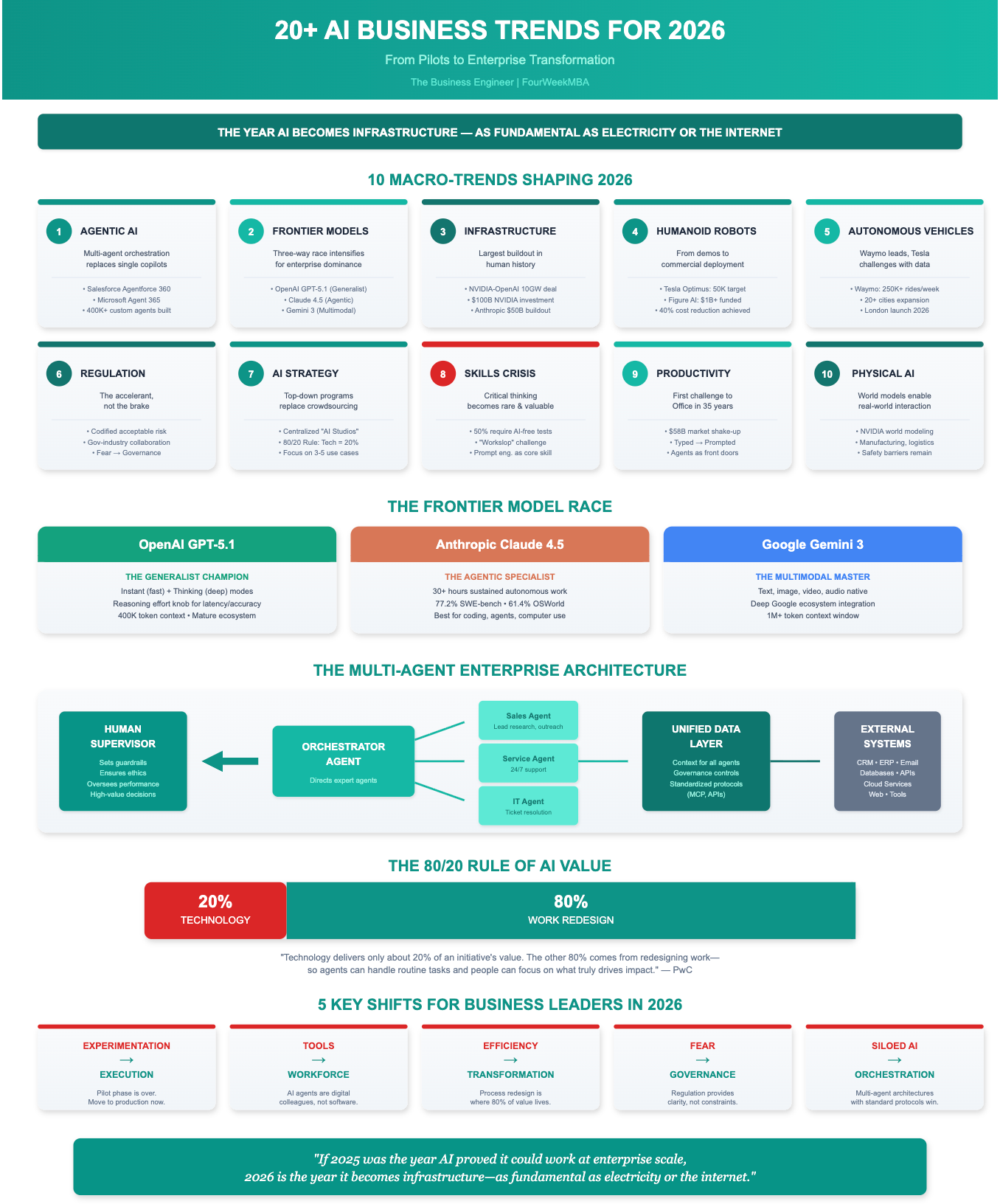
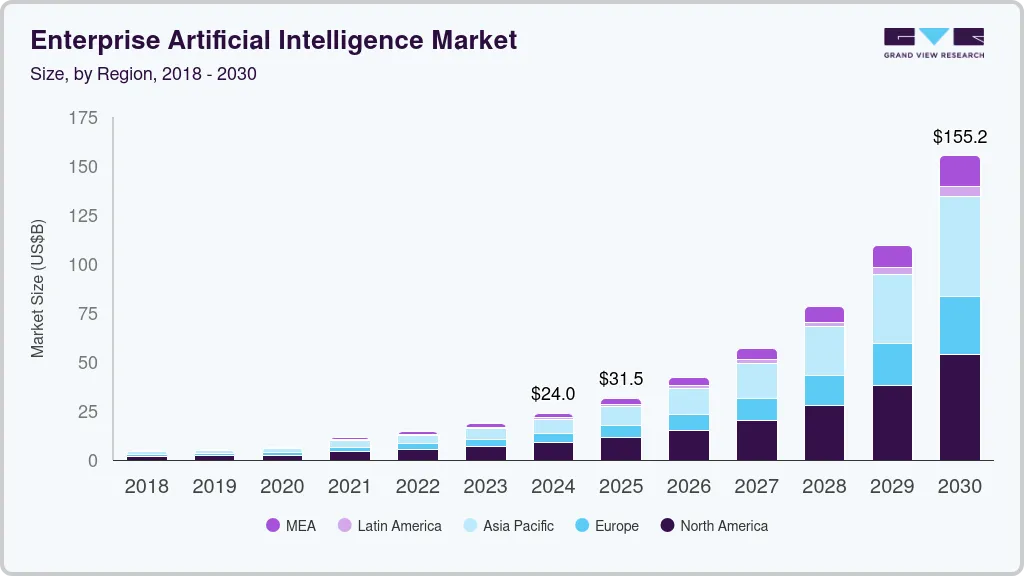
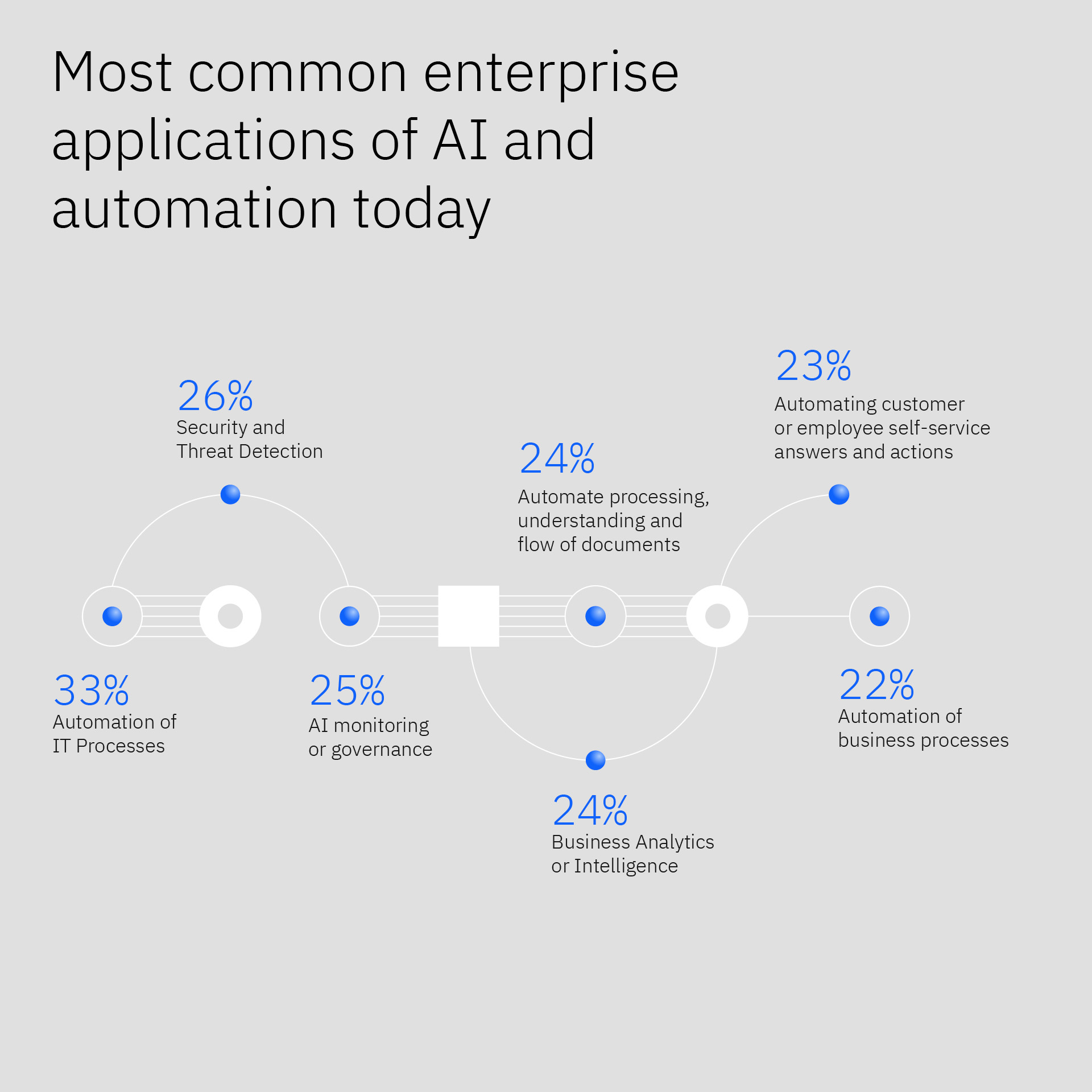
One of the most significant shifts in recent years has been the transition of AI from experimental pilot projects to core business infrastructure. Companies are no longer asking whether they should use AI. They are asking how deeply they can integrate it.
The Scale of Current Adoption
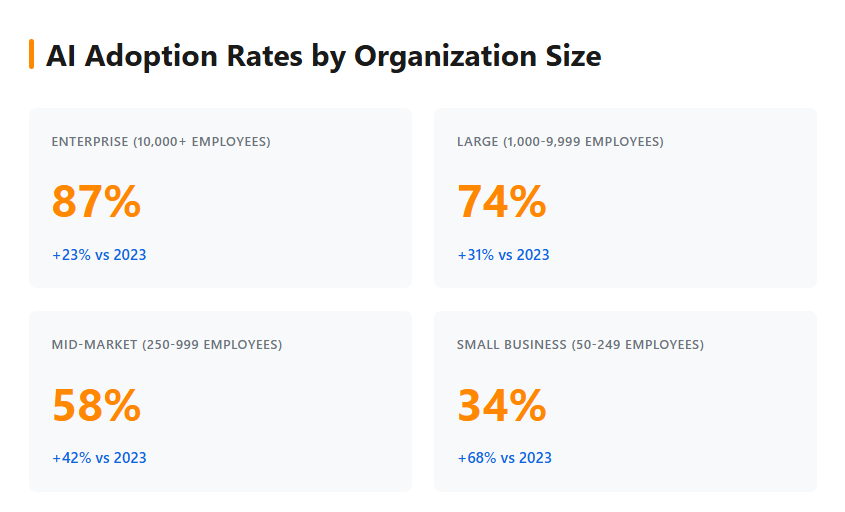
Large enterprises have moved aggressively. Organizations with over ten thousand employees report adoption rates exceeding eighty percent in some sectors. What is more interesting is the acceleration among smaller companies. Mid-market firms and even small businesses are finding affordable, accessible AI tools that were once reserved for tech giants.
The applications vary widely. Customer service chatbots, predictive maintenance in manufacturing, fraud detection in finance, and content generation in marketing are now commonplace. What unites them is the shift from novelty to necessity.
From Pilots to Production
The conversation in boardrooms has changed. In 2023, executives wanted proof that AI could work. In 2026, they want proof that it can scale reliably. This has created demand for AI infrastructure, governance frameworks, and specialized talent that can manage production-grade systems.
I recently spoke with a chief technology officer at a healthcare company who explained that their biggest challenge was no longer building AI models. It was ensuring those models complied with privacy regulations, produced consistent results, and integrated cleanly with legacy systems. The industry has entered what many are calling the operationalization phase.
The Regulatory Landscape: Rules Are Finally Catching Up
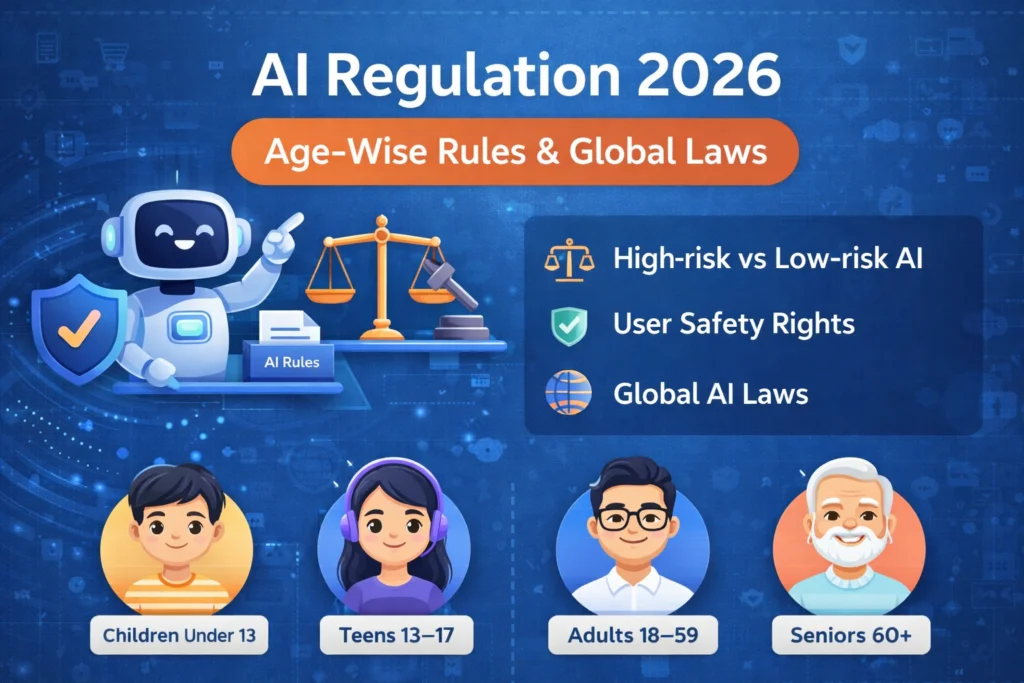
For years, AI development outpaced regulation by a wide margin. That gap is closing. Governments around the world are implementing frameworks that will shape how AI is built, deployed, and used across industries.
The European Union AI Act
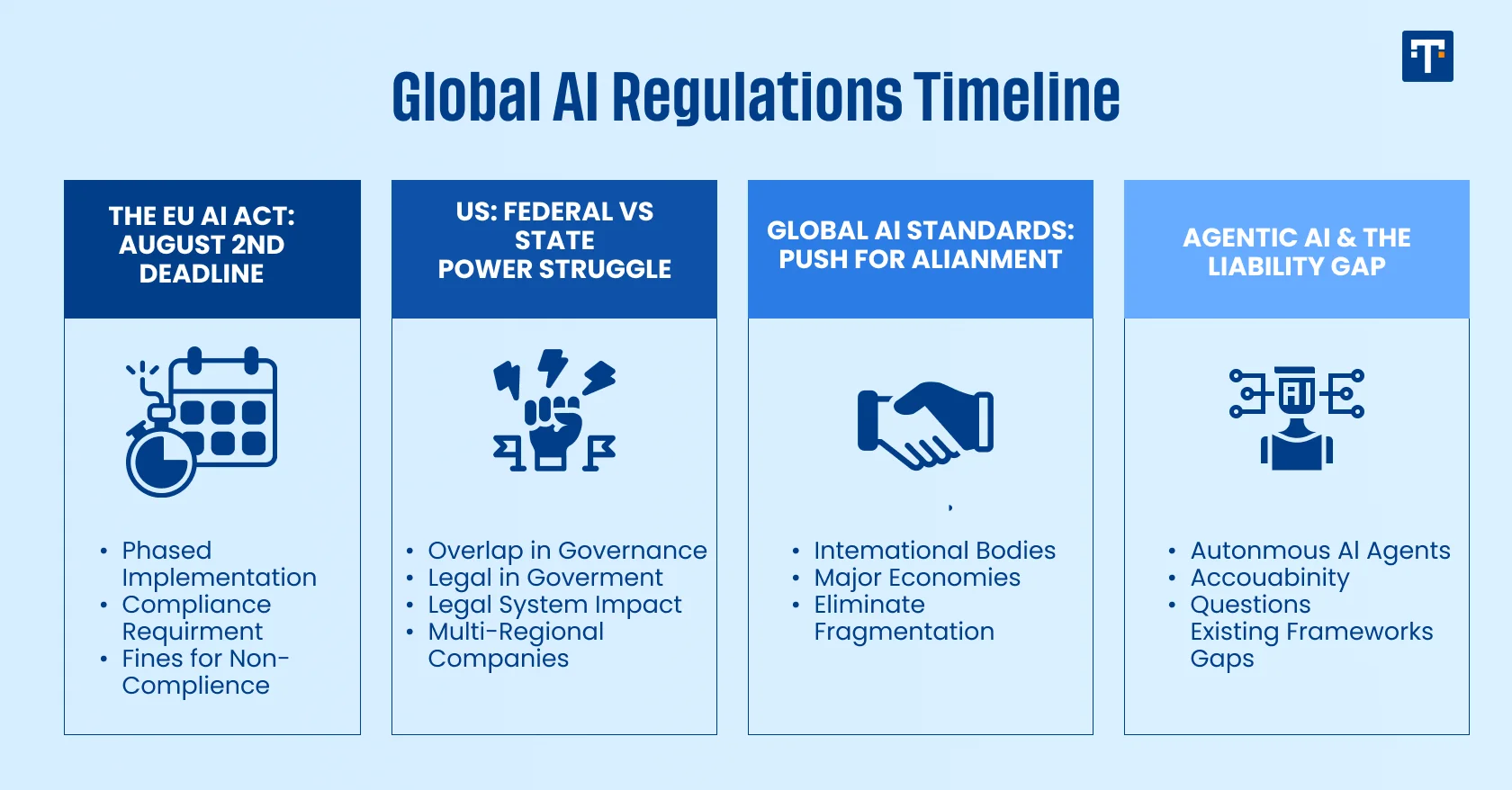
The European Union has taken the most comprehensive approach with its AI Act, which classifies AI systems by risk level and imposes strict requirements on high-risk applications. Companies deploying AI in healthcare, finance, law enforcement, and education must now demonstrate transparency, accountability, and human oversight.
This regulation is already influencing how global companies design their products. Many are choosing to build EU-compliant systems by default rather than maintaining separate versions for different markets.
United States and Global Approaches
The United States has taken a more fragmented approach, with federal agencies issuing sector-specific guidance while states experiment with their own rules. This patchwork creates compliance complexity for companies operating nationally. Meanwhile, countries in Asia and the Middle East are developing their own frameworks, often balancing innovation incentives with safety concerns.
For businesses, the key takeaway is that regulatory compliance is becoming a core competency. Companies that treat it as an afterthought risk fines, reputational damage, and operational disruption.

Hardware Innovation: The Foundation Beneath the Software
AI headlines often focus on models and applications, but the underlying hardware story is equally important. The computational demands of modern AI have driven extraordinary innovation in chip design, energy efficiency, and specialized processors.
AI Chips and Custom Silicon
Traditional graphics processing units, or GPUs, remain essential for training large models. However, a new generation of custom silicon designed specifically for AI inference and training is gaining traction. Companies are investing billions in semiconductor manufacturing to reduce dependence on a limited supply of specialized chips.
This matters because hardware constraints directly affect who can build and deploy AI at scale. When chips are scarce or expensive, innovation concentrates among the wealthiest players. As supply diversifies and costs fall, smaller companies and research institutions gain access to capabilities that were previously out of reach.
Energy and Sustainability Concerns
The environmental cost of AI is receiving increasing attention. Training a single large model can consume enormous amounts of electricity. Data centers powering AI workloads are becoming significant energy consumers. This has sparked interest in more efficient architectures, renewable energy sourcing, and model compression techniques that deliver similar performance with less computational overhead.
I attended a conference session where an engineer described how her team reduced a model’s energy consumption by forty percent without sacrificing accuracy. Stories like that suggest the industry is taking sustainability seriously, not just as a public relations concern but as an engineering priority.


Generative AI Market Growth and Maturation
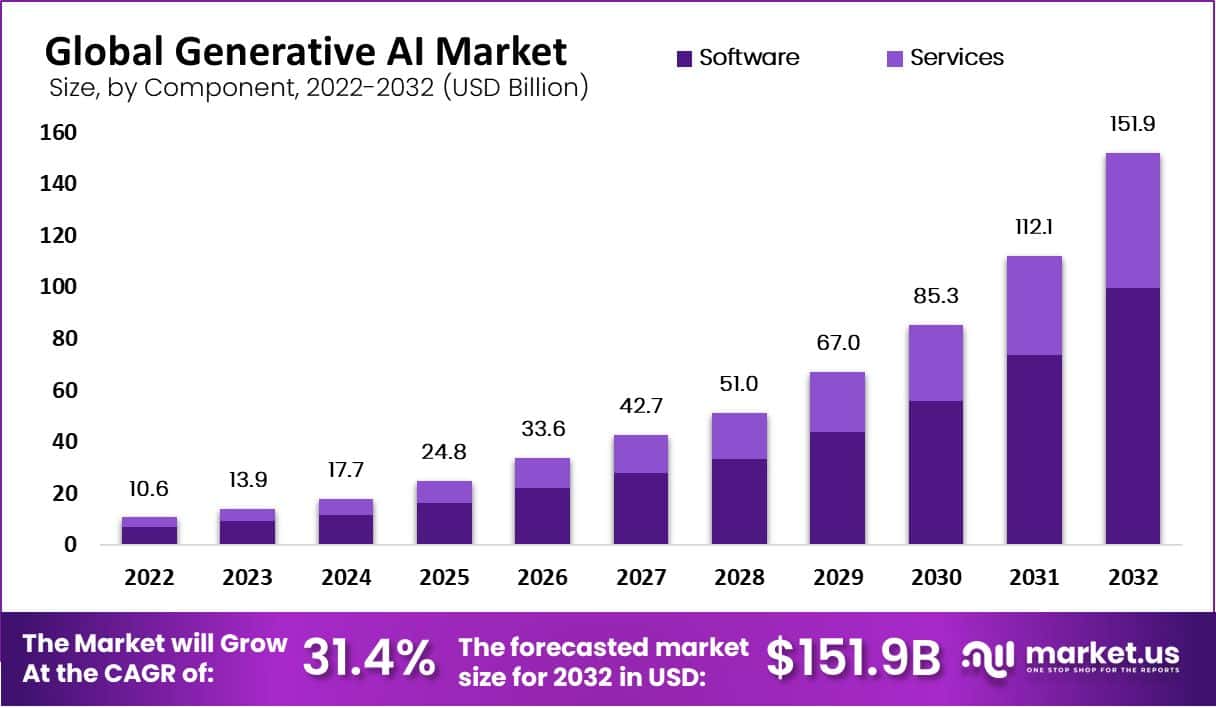
Generative AI captured public imagination with tools that could write essays, generate images, and compose music. The market has grown explosively, but the conversation is shifting from wonder to utility.
Market Expansion
The generative AI market has expanded beyond consumer entertainment into enterprise software, healthcare documentation, legal research, and scientific discovery. Venture capital continues to flow into the space, though investors are becoming more selective. They want to see clear paths to revenue, not just impressive demonstrations.
From Hype to Productivity
The initial wave of generative AI hype produced unrealistic expectations. Some believed these tools would replace entire professions overnight. The reality is more nuanced. Generative AI excels at accelerating specific tasks, drafting content, summarizing documents, and generating code snippets. It still requires human oversight, editing, and strategic direction.
Companies that have succeeded with generative AI are those that integrated it into existing workflows rather than treating it as a standalone solution. A marketing team that uses AI to generate first drafts and then refines them with human creativity will outperform a team that tries to publish raw AI output.
AI Ethics and Responsible Development
As AI capabilities grow, so do concerns about bias, misinformation, privacy, and autonomy. The industry is grappling with how to build systems that are powerful yet trustworthy.
Addressing Bias and Fairness
AI models learn from data, and data often reflects historical biases. This has led to documented cases of discriminatory outcomes in hiring, lending, and criminal justice applications. Leading organizations are now investing in bias detection tools, diverse training datasets, and fairness audits as standard parts of their development pipelines.
Transparency and Explainability
There is growing demand for AI systems that can explain their decisions. In healthcare, a doctor needs to understand why an AI recommended a particular diagnosis. In finance, a loan applicant deserves to know why they were denied. Explainable AI is moving from academic research to practical requirement.
The Role of Human Oversight
Responsible AI frameworks consistently emphasize human oversight. The most dangerous applications of AI are often those that operate without meaningful human review. Whether in autonomous weapons, social media algorithms, or financial trading, keeping humans in the loop is increasingly viewed as both an ethical imperative and a risk management strategy.
Startup Funding and the Investment Climate
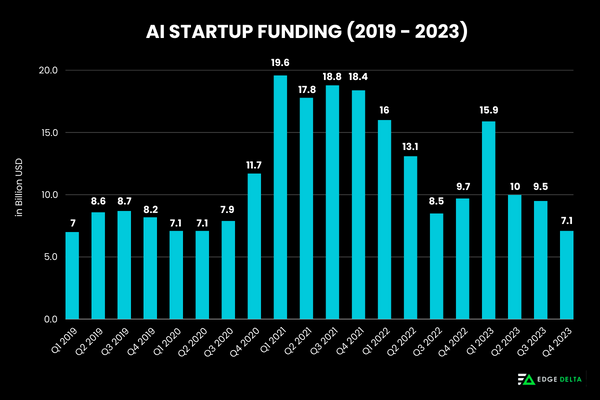
The financial side of AI tells its own story. Investment patterns reveal where confidence is highest, where skepticism exists, and where the next wave of innovation may emerge.
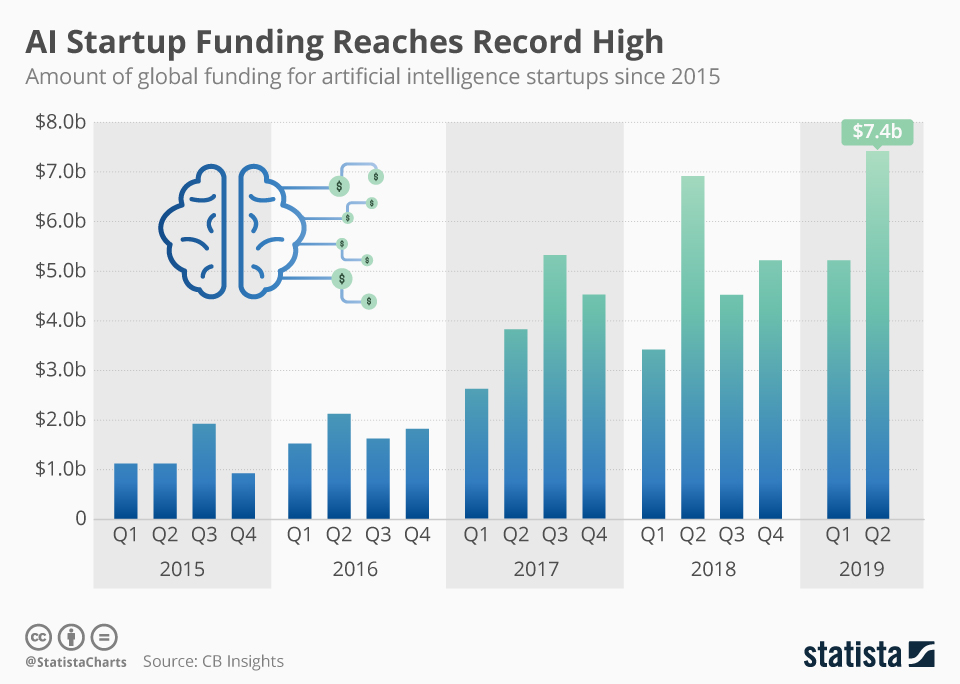
Record Funding and Selective Investing
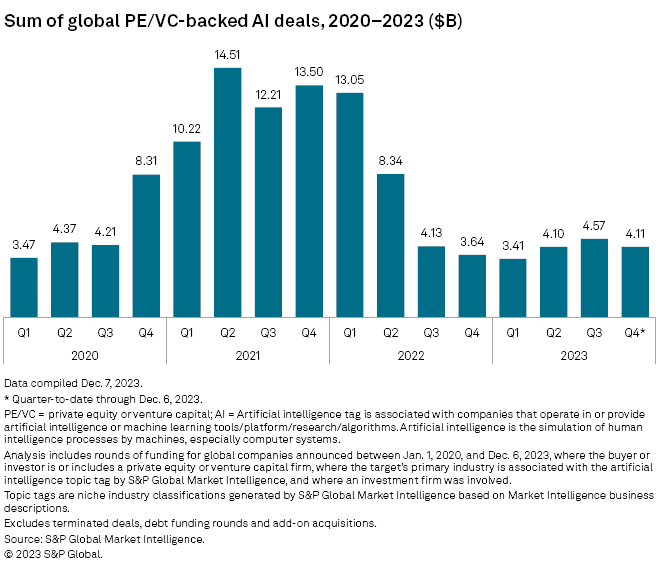
AI startups continue to attract significant venture capital, but the environment has become more discerning. Investors are looking beyond general-purpose models toward specialized applications, vertical solutions, and infrastructure companies that enable broader AI deployment.
The Shift Toward Profitability
The era of funding growth at all costs is fading. Investors want to see unit economics, sustainable business models, and clear paths to profitability. AI startups that can demonstrate real customer value and efficient operations are commanding premium valuations. Those that cannot are finding capital harder to access.
I spoke with a venture capitalist who described the current market as a flight to quality. The best AI companies are raising larger rounds than ever. Mediocre companies are struggling. This bifurcation is healthy for the industry long-term, even if it creates short-term pain for some founders.
Emerging Trends Shaping the Next Phase
Beyond the headlines, several deeper trends are reshaping how AI will evolve in the coming years.
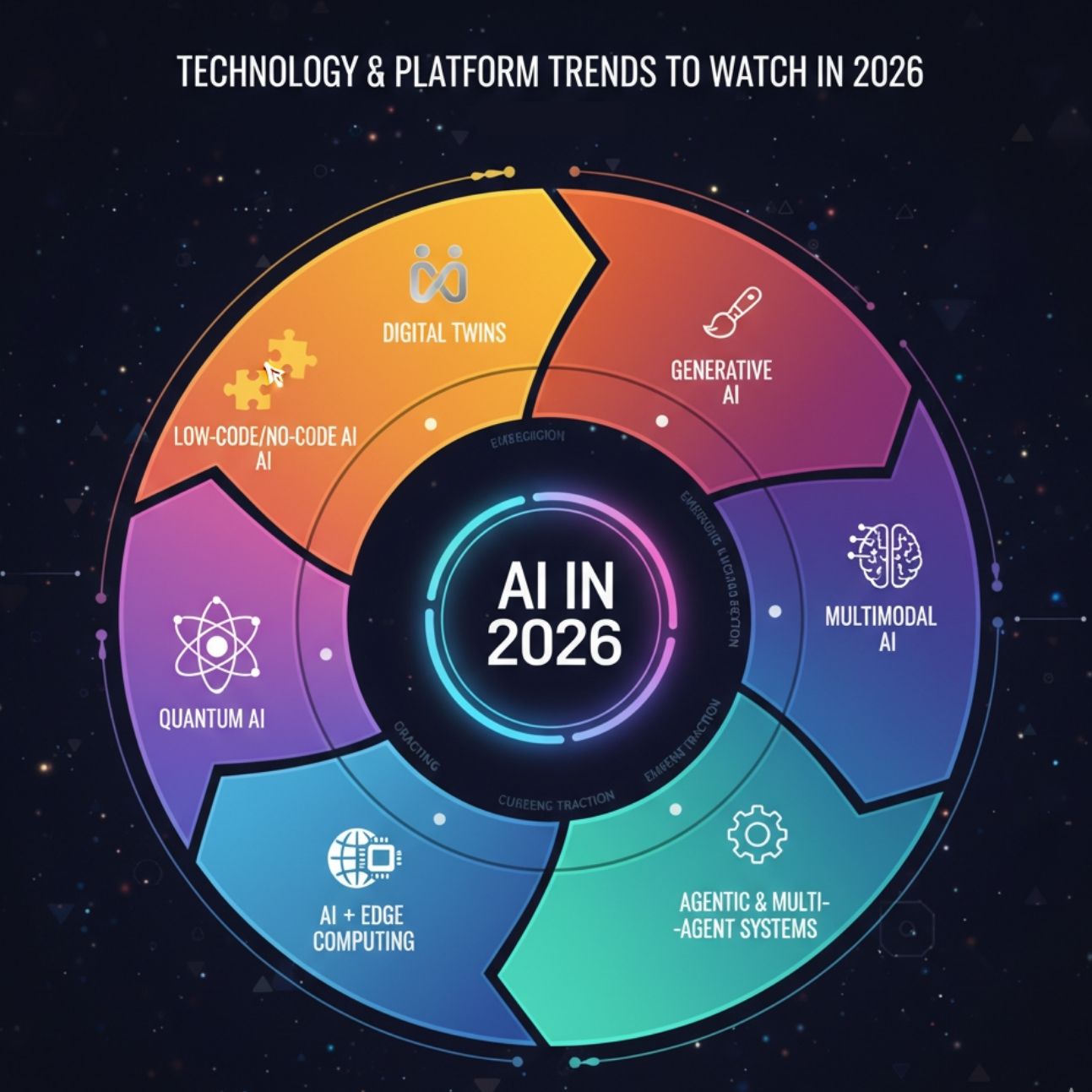
Multimodal AI
The next generation of AI systems processes text, images, audio, and video together rather than in isolation. This enables more natural interactions and richer applications. A customer service agent that can understand both your spoken words and the photo you uploaded of a defective product represents a meaningful leap in capability.
Edge AI and On-Device Processing
Running AI models directly on smartphones, sensors, and IoT devices rather than in the cloud reduces latency, improves privacy, and lowers bandwidth costs. As chips become more efficient, expect to see sophisticated AI capabilities embedded in everyday objects.
AI Agents and Autonomous Systems
Perhaps the most talked-about frontier is AI agents that can perform multi-step tasks with minimal human intervention. These systems can research topics, book appointments, write code, and manage workflows. The technology is still maturing, but the implications for productivity and labor markets are profound.
Common Mistakes When Following AI News
Staying informed about AI is valuable, but it is easy to consume information poorly. Here are mistakes I have made and observed in others.
Believing Every Headline
AI news is often sensationalized. Headlines about breakthroughs or dangers may be exaggerated for clicks. Develop the habit of reading beyond the headline and checking multiple sources before forming opinions.
Confusing Research With Products
A promising research paper does not mean a product is imminent. The gap between laboratory success and commercial deployment can be years. Be cautious about timelines when evaluating announcements.
Ignoring the Business Context
Technical capability is only one part of the story. Regulatory constraints, market demand, and competitive dynamics determine whether an innovation succeeds. A technically inferior solution with better distribution often wins.
Dismissing AI as Overhyped
The opposite mistake is also common. Some observers, burned by early hype cycles, dismiss all AI progress as marketing. This blind spot can leave you unprepared for genuine disruptions that reshape your industry.
How to Stay Informed Without Getting Overwhelmed
The volume of AI news is immense. Here are practical strategies for keeping up without drowning in information.
Curate your sources. Choose a small number of high-quality newsletters, podcasts, and industry reports. I follow three AI-focused publications and one general tech outlet. That is enough to stay informed without constant scrolling.
Focus on your domain. If you work in healthcare, prioritize AI developments in medicine. If you are in finance, follow fintech AI. Domain-specific knowledge is more actionable than general awareness.
Set a weekly review habit. Rather than checking news constantly, dedicate one hour per week to reading and reflecting on AI developments. This prevents reactive consumption and allows deeper thinking.
Discuss with peers. Join communities or discussion groups where people analyze trends together. Collective intelligence often surfaces insights that individual reading misses.
Frequently Asked Questions
How fast is AI actually changing industries?
The pace varies by sector. Technology, media, and finance are moving fastest. Manufacturing, healthcare, and education are adopting more gradually due to regulatory and infrastructure constraints. Overall, the trend is accelerating as tools become more accessible.
Should I be worried about AI regulation hurting innovation?
Thoughtful regulation often supports innovation by creating clear rules and building public trust. The risk is poorly designed regulation that creates compliance burdens without improving safety. Engaging with policy discussions and supporting evidence-based frameworks is the best response.
Is the AI startup bubble going to burst?
Some consolidation is likely as investors become more selective. However, the underlying demand for AI capabilities is real and growing. Companies with genuine value propositions will thrive. Those built purely on hype may struggle. This is a maturation process, not necessarily a collapse.
How can small businesses benefit from AI trends without massive budgets?
Many AI tools now offer affordable subscription tiers or pay-as-you-use models. Start with specific problems, such as customer communication or data analysis, and explore tools designed for small business users. The barrier to entry has never been lower.
What is the most important AI trend to watch right now?
The operationalization of AI, how it moves from experiments to core infrastructure, is the most consequential trend. It determines which companies gain sustainable competitive advantages and which fall behind.
Final Thoughts
The story of AI in 2026 is not a simple narrative of robots taking over or machines solving every problem. It is a complex, rapidly evolving landscape where technology, business, policy, and ethics intersect. The professionals and organizations that thrive will be those that stay informed, think critically, and engage with AI as a tool to be understood and directed rather than a force to be feared or blindly celebrated.
I no longer feel the anxiety I felt reading those early headlines. Instead, I feel a responsibility to pay attention, ask hard questions, and help others navigate a world where artificial intelligence is simply part of the scenery. The trends we have explored here are not distant abstractions. They are shaping decisions that affect jobs, investments, and daily life right now.
The best way to face the future of AI is not with panic or passivity, but with curiosity and preparation. Stay informed. Stay skeptical. Stay engaged. The next chapter is being written, and informed observers have the best chance of helping shape it.