

I still remember the Monday morning when I opened my inbox and found 147 unread emails waiting for me. It was not even nine o’clock. My to-do list had grown overnight, three client proposals needed revisions, and I had a team meeting in twenty minutes that I was completely unprepared for. That was the day I realized that working harder was not the answer. I needed to work smarter, and artificial intelligence turned out to be the bridge between chaos and clarity.
For years, AI was something businesses discussed in boardrooms and tech conferences. It sounded expensive, complex, and reserved for giant corporations with massive budgets. That perception has changed dramatically. Today, small business owners, freelancers, startup founders, and corporate teams are using AI tools to automate repetitive tasks, make faster decisions, and reclaim hours every week that were previously lost to administrative busywork.
This article explores how AI is transforming business and productivity in practical, accessible ways. Whether you run a company, manage a team, or simply want to get more done without burning out, you will find actionable insights here that you can apply immediately.
Why Productivity Struggles Are a Business Problem Worth Solving
Before diving into solutions, it is important to understand why productivity remains such a persistent challenge. Most professionals do not lack motivation or skill. They lack time and focus. Studies consistently show that knowledge workers spend a significant portion of their week on tasks that do not directly advance their core goals. Email management, meeting scheduling, data entry, and status updates consume energy that could be directed toward strategy, innovation, and relationship building.
I experienced this firsthand while consulting for a mid-sized marketing agency. The team was talented, but they were drowning in operational tasks. Campaign reports took six hours to compile manually. Client feedback loops moved at a snail’s pace because no one had time to organize them. Morale was dropping, not because the work was hard, but because so much of it felt meaningless.
When we introduced AI-powered workflow automation and analytics tools, the shift was remarkable. Reports that once took an afternoon were generated in minutes. The team finally had space to think creatively about client strategy. Productivity was not about doing more. It was about removing the friction that prevented them from doing what mattered.
How AI Is Transforming Core Business Functions
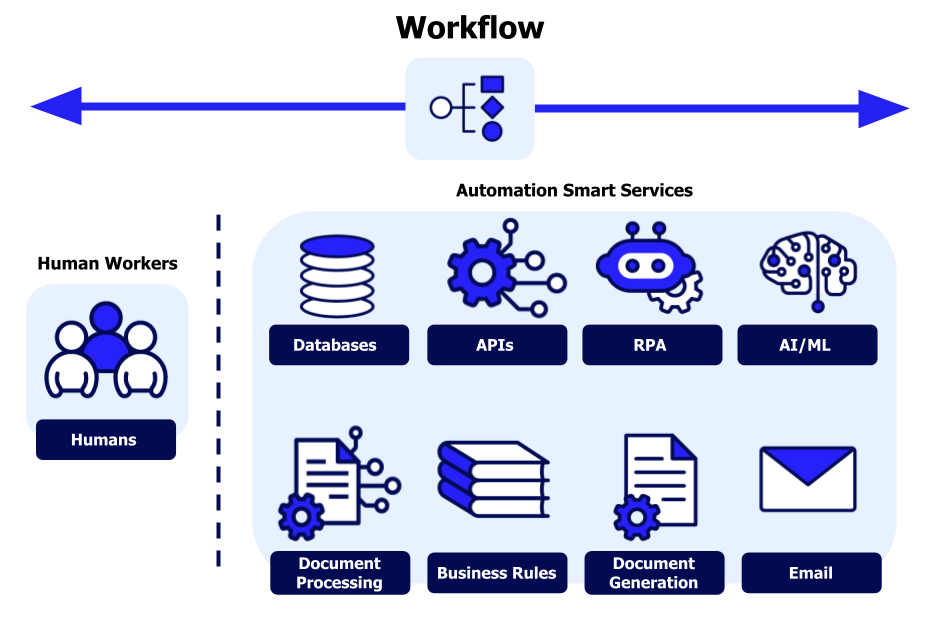
AI is not a single tool or a magic button. It is a collection of technologies that can be applied across nearly every area of business operations. Understanding where it fits best helps you invest your time and budget wisely.
Automating Routine Workflows
One of the most immediate benefits of AI in business is workflow automation. Tasks that follow predictable patterns, such as invoice processing, customer onboarding, inventory updates, and email routing, can be handled by intelligent systems without human intervention.
I worked with a small e-commerce business that was manually updating inventory across three platforms every day. It took two hours and was prone to human error. After implementing an AI-driven automation tool, inventory synced in real time, errors dropped to nearly zero, and those two hours were redirected toward marketing and customer engagement.
The key insight here is that automation does not eliminate jobs. It eliminates job friction. Employees who were once bogged down by repetitive clicking and copying can now focus on higher-value work that requires judgment, empathy, and creativity.
Smarter Project Management
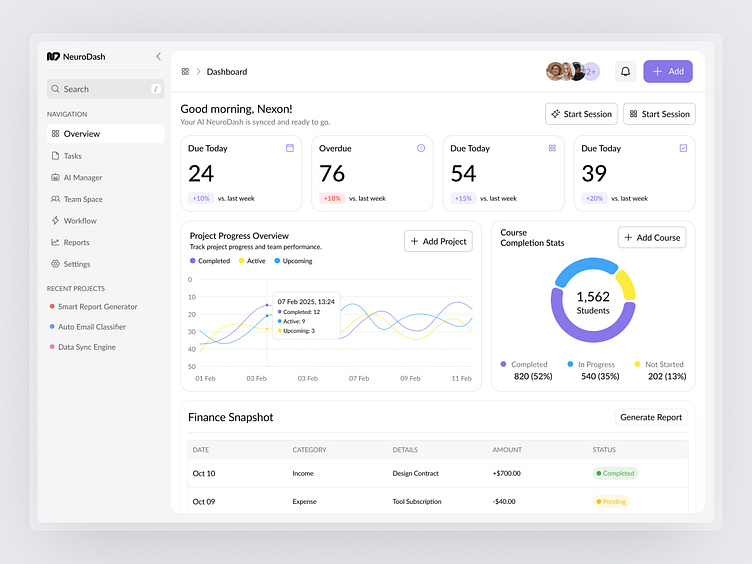
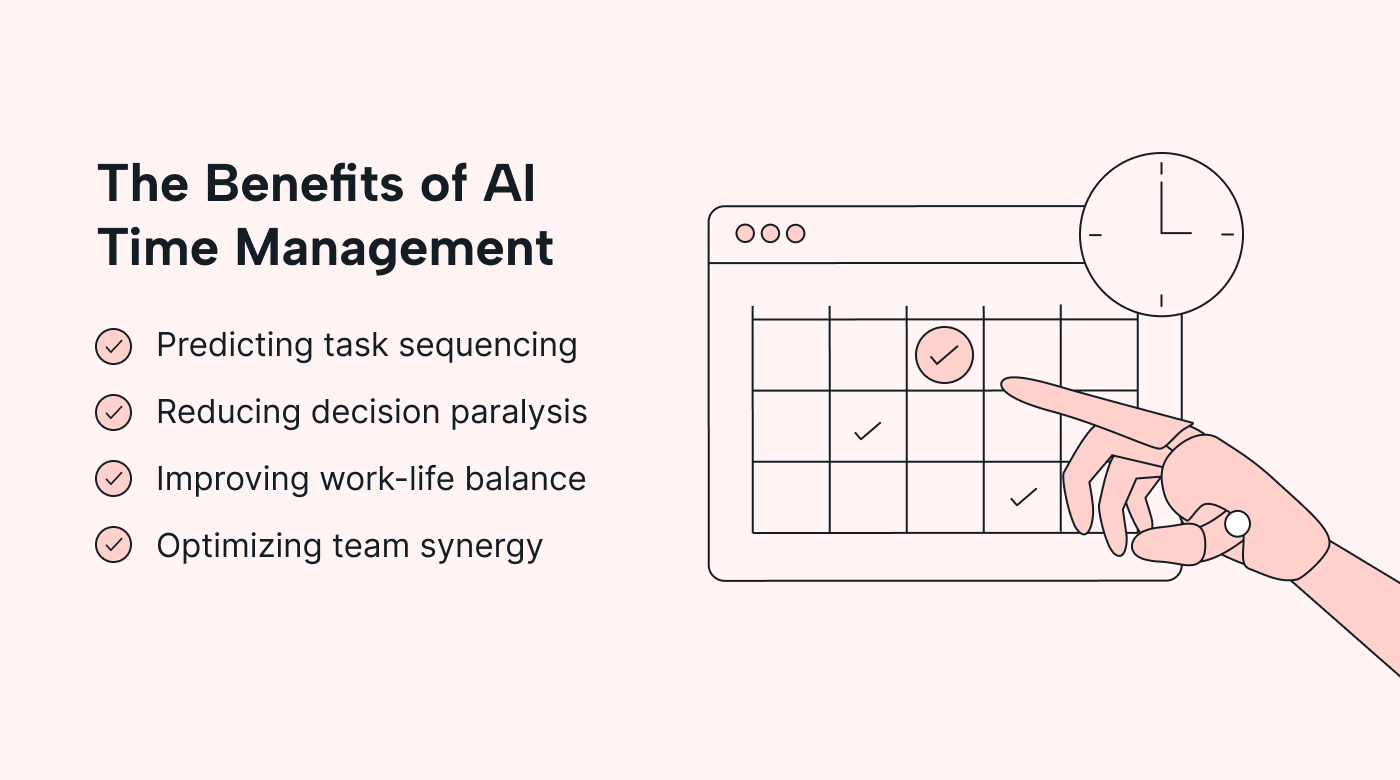
Traditional project management tools are passive. You input tasks, assign deadlines, and hope everyone remembers. AI-enhanced project management platforms take a more active role. They can predict bottlenecks before they happen, suggest optimal task sequencing, estimate completion times based on historical data, and even alert managers when a project is at risk of falling behind.
I now use an AI-powered project dashboard for my own content business. It does not just list what is due. It tells me which tasks are likely to take longer than expected, which team members have capacity, and whether my current timeline is realistic. That kind of foresight prevents the last-minute scrambles that used to derail my weeks.
Data Analytics and Decision Intelligence
Businesses generate enormous amounts of data, but raw data is not useful without interpretation. AI analytics tools can process complex datasets, identify trends, and present insights in formats that non-technical leaders can understand and act upon.
A restaurant owner I know was struggling to predict weekly demand. She had years of sales data but no practical way to analyze it. After adopting an AI analytics platform, she began receiving weekly forecasts that helped her optimize staffing and reduce food waste. Her profit margins improved within two months, not because she changed her menu, but because she started making decisions informed by patterns she could not see on her own.
This is where AI truly shines. It amplifies human decision-making by surfacing insights that would otherwise remain hidden in spreadsheets and databases.
AI Tools That Are Changing How Teams Collaborate
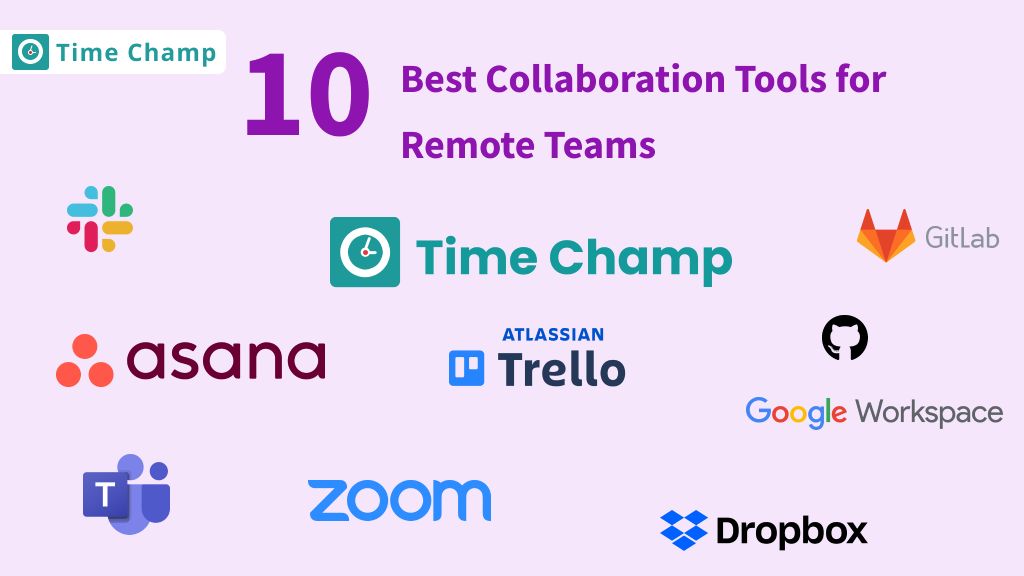
Remote and hybrid work have become permanent fixtures of the modern business landscape. With teams spread across time zones and platforms, collaboration can easily become fragmented. AI is stepping in to bridge those gaps.
Intelligent Communication and Documentation
AI meeting assistants can now attend virtual calls, generate transcripts, highlight action items, and distribute summaries automatically. This means team members who could not attend can catch up in minutes rather than watching an hour-long recording. It also means no more forgetting who agreed to do what.
I have found that these tools reduce the “meeting after the meeting” phenomenon, where people spend additional time clarifying what was actually decided. When everyone receives a clear, AI-generated summary with assigned tasks, accountability improves naturally.
Real-Time Translation and Global Teamwork
For businesses operating internationally, AI translation tools have become remarkably accurate. They enable real-time communication across language barriers, making it easier to collaborate with clients, vendors, and team members around the world. While they are not perfect for nuanced legal or cultural contexts, they are more than sufficient for daily business operations and relationship building.
Enhanced Document Collaboration
Modern AI-powered document platforms do more than store files. They can suggest edits, flag inconsistencies, generate summaries of long reports, and even answer questions about the content. For teams handling large volumes of contracts, proposals, or research, this capability turns document review from a bottleneck into a streamlined process.
Time Management Reimagined With AI Assistance
Time is the one resource every business shares equally, yet few manage it well. AI is introducing new approaches to time management that go beyond traditional calendars and to-do lists.
Predictive Scheduling
Instead of manually blocking out focus time and hoping nothing interrupts it, AI scheduling tools analyze your habits, meeting patterns, and energy levels to build an optimal daily structure. They can protect deep work blocks, cluster meetings to preserve uninterrupted creative time, and automatically reschedule when conflicts arise.
I used to plan my days reactively, responding to whatever notification appeared first. After switching to an AI scheduling assistant, my calendar now reflects my actual priorities. Urgent but unimportant requests no longer hijack my mornings, and I consistently finish my most important task before lunch.
Task Prioritization Based on Impact
Not all tasks are created equal, but our brains often treat them that way. AI productivity tools can evaluate your task list against deadlines, dependencies, and strategic goals to suggest what you should tackle first. This removes the mental load of constant prioritization and reduces decision fatigue.
Automated Follow-Ups and Reminders
One of the simplest but most effective AI features is intelligent follow-up. Instead of manually tracking who has responded to your emails or proposals, AI tools can monitor conversations and remind you when a gentle nudge is appropriate. This ensures nothing falls through the cracks without requiring you to maintain a complex mental checklist.
Common Mistakes Businesses Make When Adopting AI
The benefits of AI are real, but so are the pitfalls. I have seen businesses rush into AI adoption without a clear strategy, only to waste money and frustrate their teams. Here are the most common mistakes to avoid.
Implementing Technology Without a Clear Problem
Buying an AI tool because it is trending is a recipe for disappointment. Start by identifying a specific pain point. Is your team spending too much time on reporting? Are customer response times too slow? Once you define the problem, you can evaluate whether AI is the right solution.
Expecting Immediate Perfection
AI tools improve with use. The first week with a new platform may feel clunky as it learns your preferences and workflows. Many businesses abandon tools too early, before the AI has enough data to deliver meaningful value. Commit to a reasonable trial period and provide feedback during the learning phase.
Ignoring Team Training and Buy-In
Even the best AI tool will fail if your team resents or misunderstands it. Invest time in training, explain why the change is happening, and involve employees in the selection process. When people understand how AI helps them rather than replaces them, adoption rates soar.
Over-Automating Human Touchpoints
Customer service, negotiation, and relationship building still require human judgment. Automating these areas too aggressively can damage trust and loyalty. Use AI to handle routine inquiries and data gathering, but preserve human involvement for moments that matter.
Practical Steps to Integrate AI Into Your Business Workflow
If you are ready to explore AI for your business or team, here is a simple roadmap to get started without overwhelm.
Audit your current workflow. Spend one week tracking where your time actually goes. Identify the top three tasks that consume the most hours but deliver the least strategic value.
Research tools designed for your specific industry. Generic AI platforms are useful, but industry-specific solutions often require less customization and deliver faster results.
Start with a pilot project. Choose one department or one process to automate first. Measure the results before scaling to other areas.
Set clear success metrics. Define what improvement looks like. Is it hours saved? Error rates reduced? Faster client response times? Having concrete goals keeps the implementation focused.
Review and refine monthly. AI is not a set-it-and-forget-it solution. Regularly evaluate whether the tool is delivering value and adjust your usage as your business evolves.
The Future of AI in Business and Productivity
We are still in the early stages of AI integration into business operations. The tools available today will look primitive compared to what is coming. We can expect more seamless integration between platforms, AI agents that can handle multi-step business processes with minimal supervision, and increasingly personalized recommendations that adapt to individual working styles.
What will not change is the need for human judgment, creativity, and ethical oversight. AI can process information at speeds no human can match, but it cannot replace the wisdom that comes from experience, the empathy that builds client relationships, or the vision that guides a company forward.
The businesses that thrive in the coming years will be those that learn to pair AI efficiency with human insight. They will use technology to remove drudgery while cultivating cultures where people feel valued for what only they can contribute.
Frequently Asked Questions
Is AI only useful for large enterprises, or can small businesses benefit too?
Small businesses often benefit the most because they have fewer resources to waste on inefficiency. Many AI tools are now affordable, scalable, and designed specifically for small teams. The key is choosing tools that solve a real problem rather than adopting technology for its own sake.
Will AI replace human workers in business settings?
AI is more likely to change the nature of work than eliminate it entirely. Roles that involve repetitive, predictable tasks may shift toward oversight and quality control. Meanwhile, new opportunities emerge in AI management, strategy, and creative problem-solving. The goal is augmentation, not replacement.
How do I know if an AI tool is trustworthy for my business data?
Look for tools with clear privacy policies, encryption standards, and compliance certifications relevant to your industry. Read independent reviews and, when possible, choose vendors that allow you to retain ownership of your data. Start with non-sensitive workflows to build confidence before expanding.
Can AI really improve productivity, or is it just another distraction?
When implemented thoughtfully, AI consistently improves productivity by reducing time spent on low-value tasks. However, it requires discipline. Constantly switching between multiple AI tools can create its own form of fragmentation. Choose a few reliable tools and integrate them deeply into your workflow.
What is the first AI tool a business should try?
That depends on your biggest pain point. If communication is chaotic, try an AI meeting assistant. If reporting consumes your week, explore analytics automation. If scheduling is a nightmare, start with an intelligent calendar. Solve your most painful problem first, then expand from there.
Final Thoughts
The intersection of AI and business productivity is not about chasing the latest trend or replacing people with machines. It is about building a work environment where human talent is directed toward its highest and best use. When AI handles the repetitive, the predictable, and the time-consuming, people are freed to think strategically, serve clients better, and build something meaningful.
That overwhelming Monday morning with 147 emails feels like a distant memory now. Not because the work disappeared, but because I learned to let intelligent systems handle what they do best, so I could focus on what I do best. That is the real promise of AI in business. Not more hours worked, but more impact created in the hours you have.