A few years ago, I realized I was spending hours on my phone, tablet, and laptop, but my life didn’t feel any easier. I had smart gadgets, apps, and online services, but I wasn’t using them to improve daily life—only to distract myself.
I decided to embrace a digital lifestyle intentionally, learning how to integrate technology into my routines to save time, stay organized, and improve overall well-being.
After experimenting with tools, automation, and digital habits, I discovered that smart living isn’t about owning the latest gadgets—it’s about using technology wisely to make life simpler and more enjoyable.
In this guide, I’ll share practical tips for smart living and digital lifestyle, including tools, habits, and strategies to help you get the most from modern technology.
Why a Digital Lifestyle Matters
Technology can either simplify life or complicate it, depending on how you use it.
A thoughtful digital lifestyle can:
-
Improve daily productivity
-
Automate repetitive tasks
-
Keep you connected without distractions
-
Enhance health, fitness, and home management
By using technology deliberately, you can create more free time, reduce stress, and live smarter.
Essential Areas of Smart Living
Here are the key areas where a digital lifestyle makes a real difference:
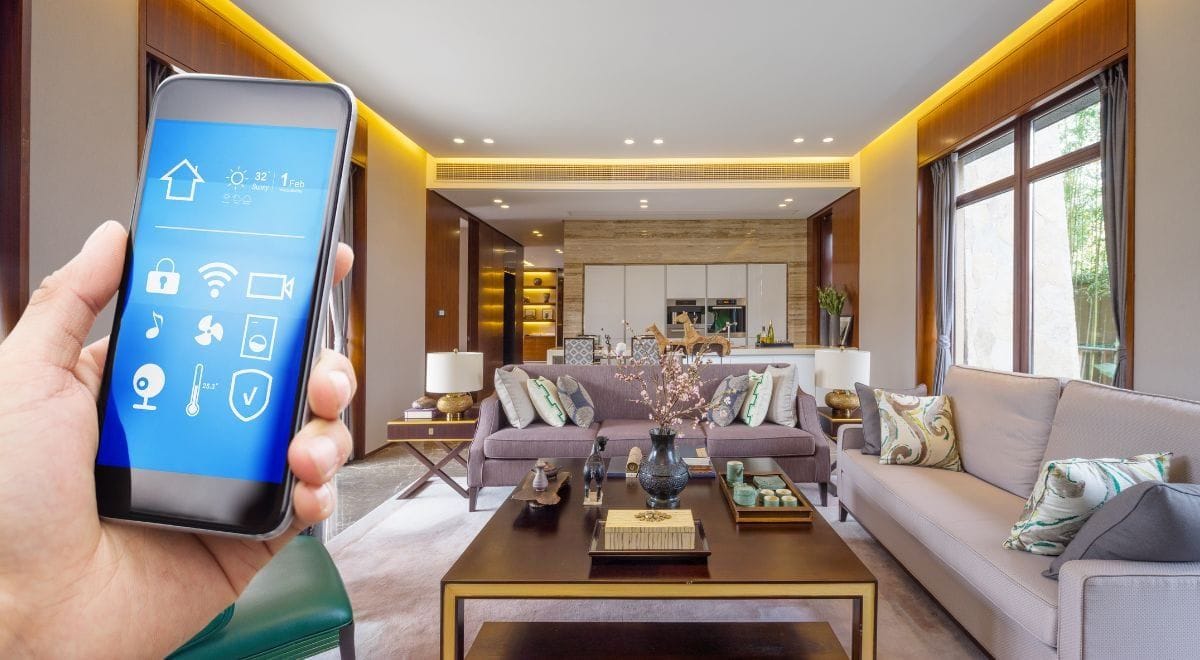
1. Smart Home Technology
Smart devices can automate daily routines:
-
Smart lighting: Schedule lights or control them remotely.
-
Smart thermostats: Adjust temperature based on routines or presence.
-
Voice assistants (Alexa, Google Assistant): Manage reminders, play music, or control smart home devices with voice commands.
Tip: Start small—add one or two smart devices at a time to see what really improves your lifestyle.
2. Health & Fitness Technology
Technology can help you stay on top of your health:
-
Fitness trackers & smartwatches: Monitor steps, heart rate, and sleep patterns.
-
Nutrition apps: Track meals, calories, and hydration.
-
Meditation & wellness apps: Calm, Headspace, or Insight Timer for mental well-being.
Tip: Set achievable goals and let devices remind you, not nag you.
3. Financial & Budget Management
Digital tools make managing finances easier and safer:
-
Budgeting apps (Mint, YNAB): Track expenses and savings goals.
-
Banking apps: Monitor accounts, pay bills, and schedule payments.
-
Investment platforms: Manage investments with transparency and security.
Tip: Enable notifications for bills and low balances to avoid late fees or overdrafts.
4. Productivity & Organization
Your digital lifestyle should help you accomplish more in less time:
-
Task managers: Notion, Todoist, Trello
-
Calendar apps: Google Calendar or Outlook for scheduling
-
Cloud storage: Google Drive, Dropbox, OneDrive for document access anywhere
Tip: Combine task management with time-blocking for maximum efficiency.
5. Entertainment & Leisure
Technology should also enrich downtime:
-
Streaming apps for movies and music: Netflix, Spotify, YouTube
-
Audiobooks & podcasts for learning or leisure
-
Gaming apps for fun and social engagement
Tip: Set boundaries to avoid endless scrolling or binge-watching.
Practical Digital Lifestyle Habits
To make smart living sustainable, I adopted these habits:
-
Declutter regularly: Delete unused apps and files.
-
Automate repetitive tasks: Bill payments, reminders, and routines.
-
Monitor screen time: Avoid burnout and digital overload.
-
Prioritize security: Use strong passwords, 2FA, and updated software.
-
Schedule tech-free periods: Promote mental health and quality time.
Common Mistakes in a Digital Lifestyle
Even with good intentions, people often:
-
Buy too many gadgets without a clear purpose
-
Over-rely on notifications and apps for reminders
-
Ignore privacy and security settings
-
Multitask excessively, reducing focus and efficiency
-
Forget to maintain devices and update software
FAQs About Smart Living & Digital Lifestyle
1. What is a digital lifestyle?
A digital lifestyle is intentionally using technology to simplify tasks, stay organized, and improve quality of life.
2. How can smart home devices improve daily life?
They automate routines, save energy, and provide convenience, like controlling lights, temperature, or reminders remotely.
3. Are fitness trackers really useful?
Yes. They help monitor health, track activity, and build awareness about habits.
4. How do I avoid digital distractions?
Limit notifications, schedule focus periods, and designate tech-free times.
5. Can technology reduce stress?
If used intentionally, yes. Automation, organization tools, and wellness apps can reduce mental load and simplify daily tasks.
Conclusion: Embrace Smart Living Intentionally
Smart living and a digital lifestyle aren’t about owning the newest gadgets—they’re about using technology purposefully to make life easier, healthier, and more productive.
Start small: automate one task, track one habit, or integrate a single smart device. Gradually, these small changes add up, making your daily life more organized, efficient, and enjoyable.
The goal isn’t to be constantly connected, but to use technology in a way that works for you, enhancing life instead of complicating it.