
There was a time when I sat in front of a blank screen for three hours, trying to write the opening paragraph of a blog post. The cursor blinked. The coffee went cold. Nothing happened. That same evening, I stumbled across an AI writing assistant, typed a rough idea into the prompt box, and within seconds had a structured outline that actually made sense. I did not copy it word for word. I used it as a springboard. Within an hour, the article was drafted. That small moment changed how I think about creativity forever.
Artificial intelligence is no longer a futuristic concept reserved for tech labs and science fiction movies. It has become a quiet companion in our daily lives, shaping how we write, design, cook, plan our weeks, and even decorate our homes. For many people, AI still feels intimidating or impersonal. But when used with intention, it can become one of the most practical tools for building a more creative, balanced, and fulfilling lifestyle.
This article explores how AI intersects with everyday living and personal creativity. Whether you are a writer, a designer, a musician, a busy parent, or someone simply curious about making life a little easier, you will find practical insights here that you can apply today.
Why AI and Lifestyle Belong in the Same Conversation
When people hear the term “artificial intelligence,” they often picture robots, automation, or job displacement. What gets less attention is the softer side of AI, the part that helps people organize their thoughts, discover new hobbies, and reclaim time for the things that matter most.
I remember speaking with a friend who runs a small bakery from her kitchen. She was overwhelmed by social media, recipe testing, and customer messages. After reluctantly trying an AI scheduling tool and a simple content assistant, she told me she finally had time to experiment with a new sourdough recipe she had been putting off for months. That is the real promise of AI in lifestyle contexts. It does not replace the human touch. It creates space for it.
The key is understanding that AI works best as a collaborator, not a replacement. It handles repetitive tasks, suggests ideas when your brain feels empty, and organizes information so you can focus on decision-making and execution. For anyone juggling work, family, personal projects, or creative ambitions, that kind of support can be genuinely transformative.
How AI Tools Are Supporting Everyday Creativity
Creativity is not a lightning bolt that strikes when conditions are perfect. It is a muscle that needs consistent exercise, and sometimes that muscle gets tired. AI tools have emerged as practical partners for people across every creative discipline, from visual artists and musicians to writers and home organizers.
Writing and Content Creation
For writers, the blank page is both a friend and an enemy. AI writing assistants can help break that paralysis by generating outlines, suggesting transitions, or rephrasing awkward sentences. I personally use them when I am stuck on an introduction or when I need to simplify a complex explanation for a general audience.
The best approach is to treat these tools as brainstorming partners. You provide the direction, the voice, and the expertise. The AI helps you shape it faster. This workflow often helps people publish more consistently without sacrificing quality or originality.

Visual Art and Design
Digital artists and hobbyists are using AI image generators to explore visual concepts before committing hours to a final piece. A graphic designer might generate ten variations of a logo concept in minutes, then refine the best one manually. A parent might use an AI art tool to create custom birthday invitations without hiring a designer.
The important distinction is that these tools enhance ideation. They do not replace the refined skill of a trained artist. In fact, many professional illustrators now incorporate AI-generated drafts into their workflow to speed up early exploration while preserving full creative control over the finished work.
Music and Audio Production
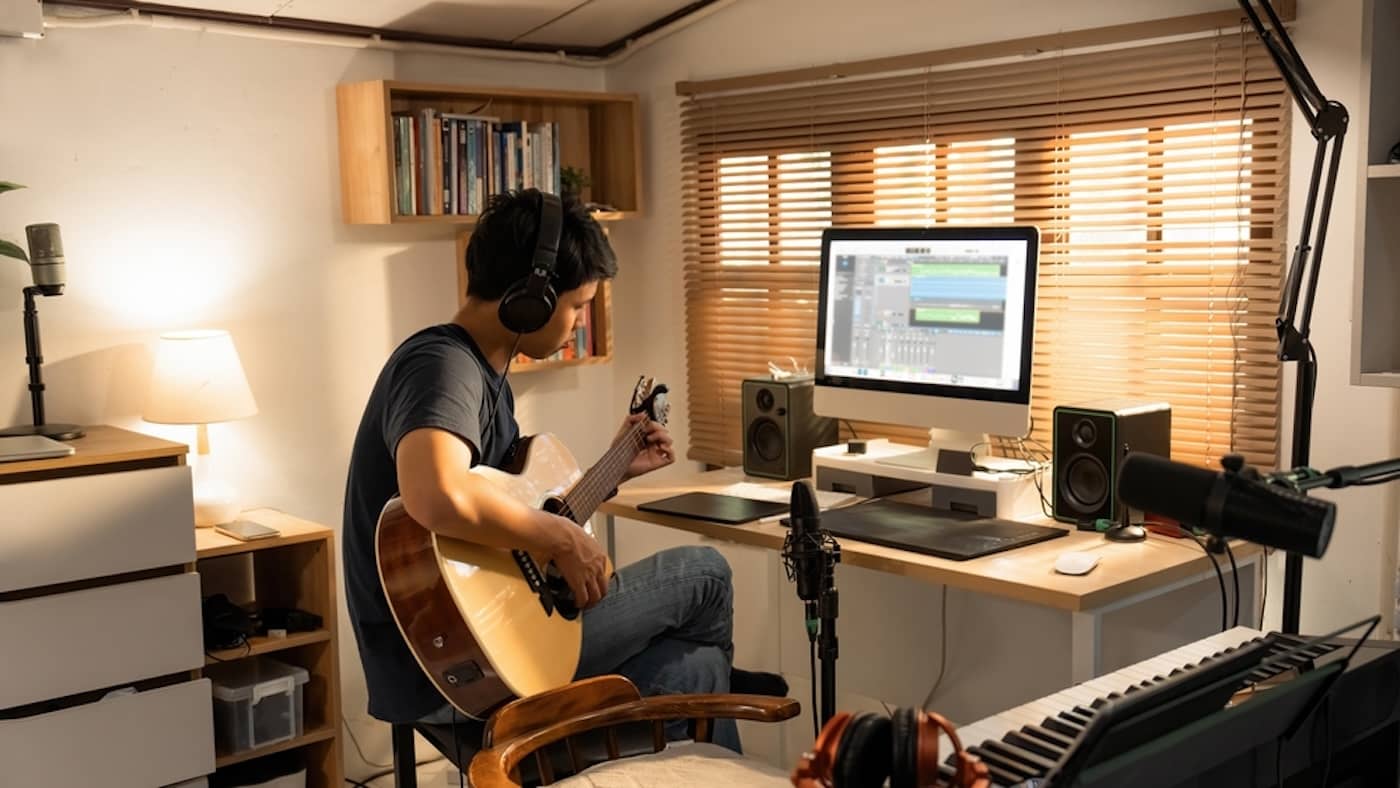
Musicians are discovering that AI can assist with composition, sound design, and even mastering tracks. Bedroom producers who once struggled with expensive studio time can now experiment with AI-powered tools that suggest chord progressions, generate drum patterns, or clean up audio recordings.
I spoke with an independent musician who explained that AI tools helped him finish an EP he had been sitting on for two years. The technology did not write the songs for him. It removed the technical friction that was slowing him down, allowing his actual creativity to flow.
Building a Balanced Lifestyle With AI Assistance
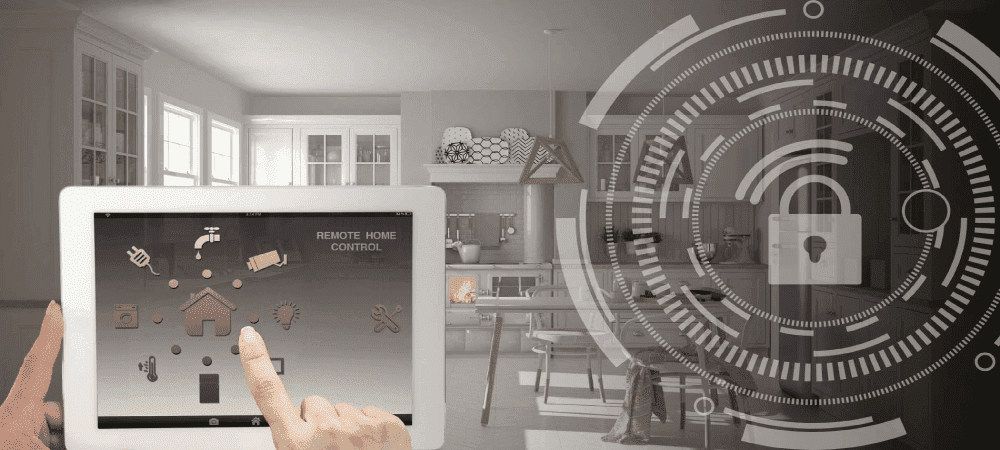
Creativity does not exist in a vacuum. It requires mental bandwidth, and mental bandwidth requires a lifestyle that supports focus, rest, and inspiration. AI is increasingly helping people design that lifestyle intentionally rather than reactively.
Smart Scheduling and Time Management
One of the simplest but most effective uses of AI in daily life is intelligent scheduling. Modern calendar tools can analyze your habits, suggest optimal meeting times, protect focus blocks, and even reschedule appointments automatically when conflicts arise. For freelancers and remote workers, this means less time spent managing time and more time doing meaningful work.
Personalized Wellness and Mindfulness
AI-powered wellness apps can guide meditation sessions, track sleep patterns, and suggest personalized routines based on your behavior. While they cannot replace professional mental health support, they often help people build consistent habits around mindfulness and self-care. I have found that even a five-minute guided breathing session suggested by an AI wellness app can reset my focus on chaotic days.
Home Organization and Meal Planning
From smart grocery lists that learn your preferences to AI recipe generators that suggest meals based on what is already in your fridge, these tools reduce the decision fatigue that drains creative energy. When you are not exhausted from figuring out what is for dinner, you have more capacity to paint, write, or simply enjoy a quiet evening.
The Mindful Approach: Keeping Humanity in the Loop
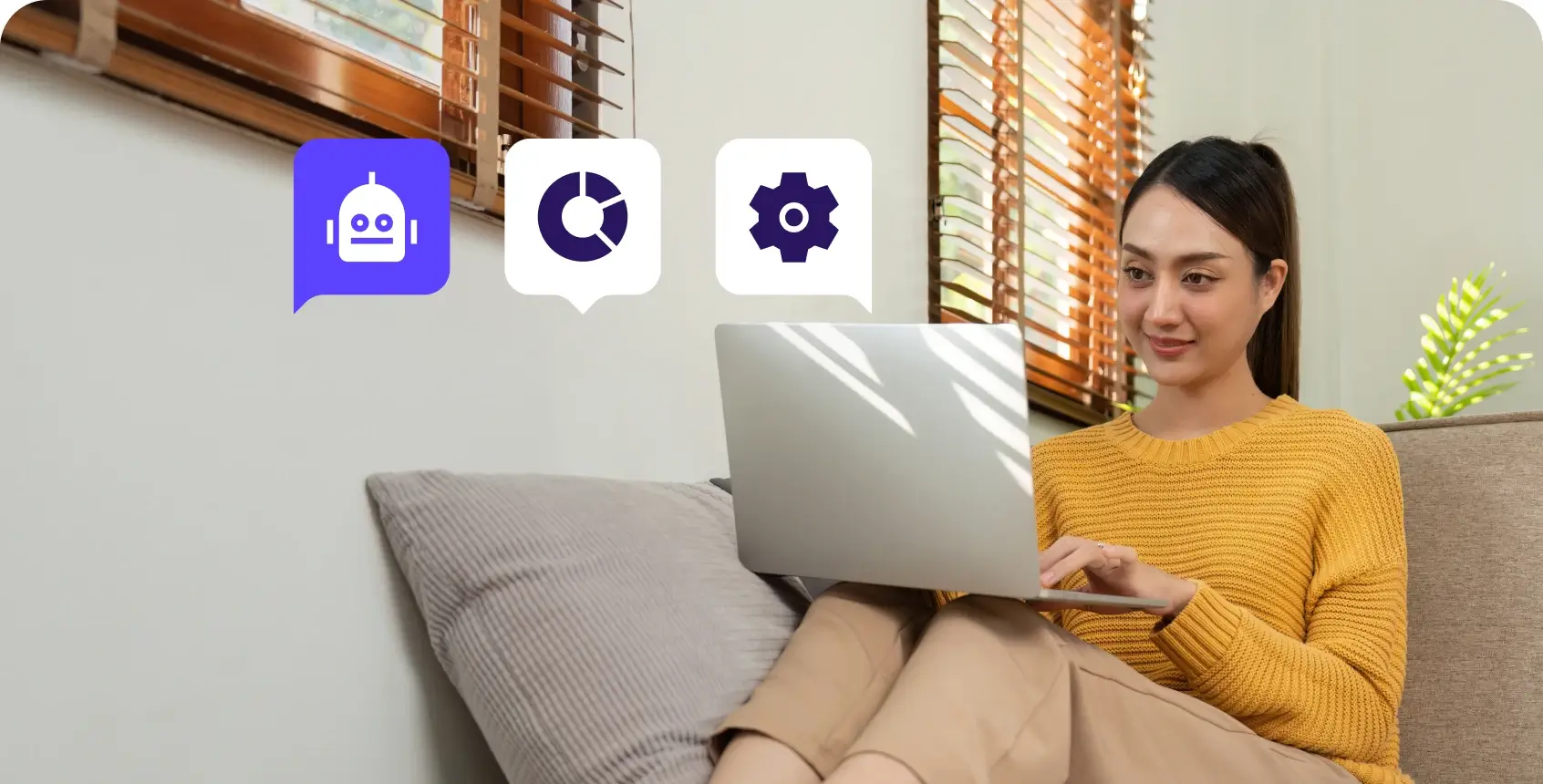
With all the convenience AI offers, there is a genuine risk of over-reliance. I have experienced this myself. There were weeks when I leaned so heavily on AI suggestions that my own voice started to feel diluted. The content was efficient, but it lacked the quirks, opinions, and personal stories that make writing resonate with readers.
That is why mindfulness matters. Using AI for lifestyle and creativity should always involve a human filter. Here are some principles that have helped me maintain that balance:
-
Start with your own idea. Use AI to expand, not originate. The best results come when you feed the tool a clear vision.
-
Edit aggressively. AI output is a starting point. Your revisions add the personality and judgment that make content trustworthy.
-
Set boundaries. Decide which tasks you will handle manually and which you will delegate to AI. Creative vision and final quality control should usually stay human-led.
-
Stay curious. Use the time AI saves you to learn new skills, explore new hobbies, or simply rest. The goal is a richer life, not just a more efficient one.
Common Mistakes People Make When Using AI for Creativity
Despite the benefits, many people struggle to integrate AI effectively into their creative process. Recognizing these common pitfalls can save you frustration and help you get better results.
Treating AI Output as Final
One of the biggest mistakes is publishing or presenting AI-generated content without review. These tools are impressive, but they can produce outdated information, awkward phrasing, or ideas that do not align with your intent. Always treat the first draft as raw material.
Over-Automating the Creative Process
Creativity requires friction. It requires wrestling with ideas, making bad versions, and learning from mistakes. If you automate every step, you may produce content quickly, but it often lacks depth and originality. Reserve AI for the parts of the process that genuinely slow you down, not the parts that define your unique voice.
Ignoring Ethical Considerations
When using AI image or music generators, it is worth understanding how these models are trained and whether the outputs respect existing artists’ rights. Many platforms are evolving their policies, but as a user, staying informed helps you make choices that align with your values.
Expecting Perfection Immediately
AI tools have a learning curve. The first few prompts you try might produce generic or irrelevant results. Learning how to communicate clearly with these tools, a skill often called prompt engineering, improves dramatically with practice. Be patient with the process.
Practical Tips for Integrating AI Into Your Creative Lifestyle
If you are ready to experiment with AI in your daily life and creative work, here are some actionable steps to get started without feeling overwhelmed.
Start with one area. Do not try to overhaul your entire workflow at once. Pick one creative project or one daily task where you feel stuck, and test a single AI tool designed for that purpose.
Invest time in learning the tool. Spend thirty minutes reading guides or watching tutorials. Understanding how to phrase requests and adjust settings will dramatically improve your results.
Keep a human checkpoint. Before finalizing anything AI-assisted, step away for a few hours, then review it with fresh eyes. Ask yourself whether it sounds like you and whether it genuinely helps your audience.
Document what works. As you find successful workflows, write them down. Over time, you will build a personalized system that blends AI efficiency with your own creative instincts.
Protect your offline time. Some of your best ideas will still come during a walk, in the shower, or while cooking dinner without a screen nearby. AI should support your lifestyle, not consume it.
Looking Ahead: The Future of AI in Everyday Life
The tools available today are just the beginning. We are already seeing AI assistants that can understand context across conversations, tools that adapt to individual learning styles, and creative platforms that collaborate in real time with human partners. The trajectory suggests a future where technology becomes less visible and more intuitive, fading into the background so that human creativity can take center stage.
What excites me most is not the technology itself, but the doors it opens for everyday people. A parent with a story to tell. A retiree with a painting hobby. A student with a passion for music production. AI lowers the barrier to entry for creative expression, and that democratization is something worth celebrating.
At the same time, the future will require thoughtful engagement. As these tools become more powerful, the responsibility to use them ethically, critically, and humanely grows with them. The most successful creators and lifestyle enthusiasts will be those who learn to harness AI while preserving the judgment, empathy, and originality that only humans can provide.

Frequently Asked Questions
Can AI really help with creative work, or does it just copy existing ideas?
AI tools are trained on large datasets and can generate novel combinations of concepts, styles, and structures. However, they do not possess original consciousness or lived experience. The most creative results come when a human provides the vision and the AI assists with execution. Think of it as a highly capable assistant, not an independent artist.
Will using AI tools make my content sound generic?
Only if you use them without personalization. AI output tends to be average by default. To make it distinctive, inject your own stories, opinions, examples, and voice. The tool provides the scaffolding. You provide the soul.
Is it safe to rely on AI for lifestyle advice?
AI can offer general suggestions for productivity, wellness, and organization, but it should not replace professional advice for medical, legal, or financial matters. Always verify important decisions with qualified human experts.
How do I choose the right AI tool for my needs?
Start by identifying your biggest friction point. If you struggle with writing, test a writing assistant. If you need help organizing your week, try a smart calendar. Read user reviews, test free versions, and choose tools that integrate smoothly into your existing habits.
Can AI help me find more time for hobbies and rest?
Yes, when used intentionally. By automating repetitive tasks and reducing decision fatigue, AI can free up mental and physical energy. The key is to be deliberate about how you use that reclaimed time, directing it toward activities that genuinely restore and inspire you.
Final Thoughts
Artificial intelligence is not here to replace the messy, beautiful, deeply human process of creating and living well. It is here to remove the obstacles that often stand in the way. When I think back to that afternoon staring at a blank screen, I do not remember the AI outline as the hero of the story. I remember the relief of finally starting, the momentum of finishing, and the satisfaction of publishing something I was proud of.
That is what AI and lifestyle integration is really about. Not perfection. Not automation for its own sake. But creating the conditions where your best ideas have room to breathe, where your daily routines support rather than drain you, and where technology serves as a bridge to a more creative, balanced life.
The tools are ready. The choice to use them wisely, humanely, and creatively is yours.